When you manage a fleet, you live by the numbers: delivery times, fuel economy, load capacity, and maintenance schedules. But sometimes, those numbers don’t tell the whole story. The real danger to your bottom line can sneak up in the form of overlooked trailer issues—until one small oversight turns into a roadside breakdown, a missed delivery, or worse, an accident.
As a fleet manager, you’re responsible for more than just keeping the trucks moving—you’re responsible for uptime, safety, DOT compliance, and cost control. And that means spotting the red flags before they put a unit out of commission.
Here are three critical warning signs that your semi-trailer needs immediate service—and why ignoring them could cost your fleet more than just repair dollars.
What to Look (and Listen) For:
These aren’t just annoying—they’re dangerous.
The Risks of Ignoring It:
A failing brake system doesn’t just increase stopping distance. It jeopardizes driver safety, risks cargo loss, and invites DOT citations. Worse yet, it can lead to liability in the event of a crash.
Common Culprits:
Quick Fleet Fix Tip:
Instruct drivers to conduct air brake leak-down tests weekly. Any loss over 2 psi per minute (with brakes released) is a sign something’s wrong. Also, during inspections, use a flashlight to check brake drum wear or uneven contact.
Pro Insight: “If a driver mentions ‘a weird noise’ during braking, don’t wait. That’s usually the last warning before something locks up—or fails.”

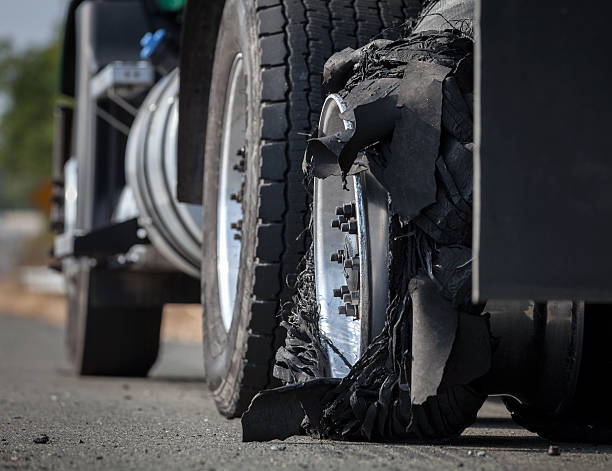
What to Watch For:
These issues don’t just affect tire life—they impact ride quality, fuel efficiency, and cargo safety.
The Hidden Costs:
Misalignment or sagging suspensions can reduce tire life by up to 30%, translating to thousands of dollars across a mid-sized fleet. Add in the reduced MPG and potential handling problems, and you’ve got a silent profit killer.
Common Suspension & Alignment Issues:
Visual Inspection Tip:
Encourage pre-trip inspections to include tire “feel tests” (rubbing hands across tread for feathering) and to eyeball the trailer from 20 feet away. A tilt or lean could indicate air ride issues or busted hangers.
Fleet Fact: A suspension issue ignored for 30 days can turn a $300 bushing job into a $3,000 axle and frame realignment—plus downtime.
To the untrained eye, a dead marker light might seem minor. But to the DOT—and to roadside inspectors—it’s a red flag. One flickering light or missing turn signal can be the reason your driver gets pulled over, delayed, or even taken out of service.
Key Signs:
Root Causes:
The Real Impact:
A lighting violation is an easy DOT target. It may seem like a $20 bulb fix—but if it triggers a full inspection or OOS (out-of-service) order, it could mean $800–$2,000 in fines and downtime.
Plus, recurring electrical problems erode driver confidence and customer satisfaction—especially for sensitive or refrigerated freight.
Pro Maintenance Tip:
Make dielectric grease a must during every PM. This simple step prevents corrosion and ensures reliable contact in harsh weather. Also, consider investing in a 7-way plug tester—a $50 tool that can save hours of diagnosis.
Quote to Remember: “Most trailer electrical issues start at the connection—and end in a fine.” —DOT Inspector, Indiana


Sometimes, it’s not a wear part or a visible defect—it’s a sound, a smell, or a driver’s gut feeling. You’ve heard it before: “Something’s just off.” In many cases, that’s the only warning you’ll get before a breakdown.
The worst mistake a fleet manager can make? Telling a driver to “just keep going and we’ll look at it later.” By then, it might be too late.
You might not be behind the wheel, but you’re behind every safe delivery.
Delaying repairs to “save money” often leads to higher losses:
With today’s tight freight margins and driver shortages, you can’t afford to gamble. A proactive service culture builds trust—with your team, your clients, and the DOT.